


Conversational Search
FAQ
What is Conversational Search?

Conversational Search is a search experience that allows users to discover information through natural language conversations.
How is Conversational Search different from traditional search?
Traditional search returns lists of links, while conversational search generates answers and supports follow-up questions.
Which platforms use Conversational Search?
Examples include ChatGPT Search, Perplexity Search, Google AI Mode, Gemini, Claude, Copilot, and Grok.
Why does Conversational Search matter?
It changes how users discover information and how brands become visible in AI-powered experiences.
Which tools help analyze Conversational Search?
AI Visibility Platforms like Ansvisor help organizations monitor conversational prompts, citations, competitors, and visibility across AI-powered search platforms.
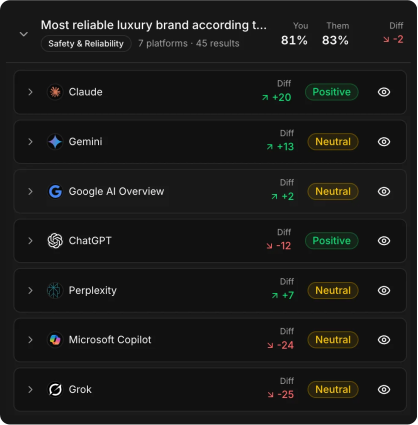
Win customers from all major AI platforms
Understand, measure, and optimize your AI visibility via Ansvisor.
✓ Add brand, domains and competitors
✓ Discover prompts and growth opportunities
✓ Track your AI visibility across major AI platforms
✓ Monitor citations, mentions, and competitors
✓ Measure AI traffic and customer discovery
✓ Receive AI recommendations based on AI insights
✓ Optimize authority, trust, and content quality
✓ Create content, automate analysis & action with AI agents




.svg)
