


AI Workflows
FAQ
What are AI Workflows?

AI Workflows are automated processes that combine AI models, tools, and data sources to perform tasks and support decision-making.
How are AI Workflows different from AI Agents?
AI Agents perform tasks and reasoning, while AI Workflows connect multiple agents, systems, and actions into repeatable processes.
What are common use cases for AI Workflows?
Common use cases include content generation, reporting, research, competitive analysis, and workflow automation.
Why are AI Workflows important?
They help organizations improve efficiency, automate repetitive work, and scale AI-powered operations.
Which tools help build AI Workflows?
Platforms like Ansvisor help organizations automate AI visibility workflows using Agent Chat, AI recommendations, webhooks, and MCP integrations.
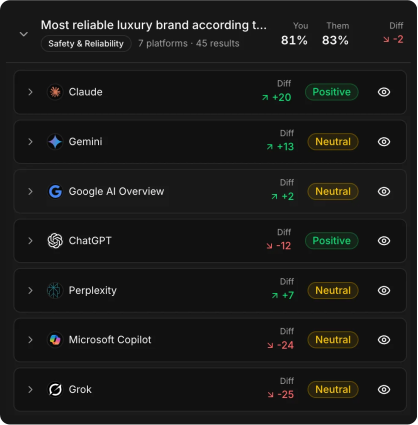
Win customers from all major AI platforms
Understand, measure, and optimize your AI visibility via Ansvisor.
✓ Add brand, domains and competitors
✓ Discover prompts and growth opportunities
✓ Track your AI visibility across major AI platforms
✓ Monitor citations, mentions, and competitors
✓ Measure AI traffic and customer discovery
✓ Receive AI recommendations based on AI insights
✓ Optimize authority, trust, and content quality
✓ Create content, automate analysis & action with AI agents




.svg)
