.svg)








%20Guide%20for%20AI%20Visibility.jpg)
TL;DR
- Generative Engine Optimization helps brands improve visibility inside AI-generated answers.
- GEO expands traditional SEO by focusing on mentions, citations, source authority, trust signals, and retrievability.
- Technical structure, schema markup, and clear information architecture make content easier for AI systems to understand.
- Citation-ready content helps AI engines summarize, reference, and recommend your brand more confidently.
- Ansvisor helps teams monitor, benchmark, and optimize AI visibility across major AI search platforms.
Introduction
Search is no longer only about ranking on a results page.
People now ask AI systems to compare tools, explain categories, summarize vendors, recommend solutions, and shortlist products before they ever visit a website.
That shift makes AI Visibility a new growth priority. If your brand is not mentioned, cited, or recommended inside AI-generated answers, you may be missing the moment where buyers form their first opinion.
This is where Generative Engine Optimization, or GEO, becomes important.
GEO gives marketing, SEO, content, and technical teams a practical framework for improving how AI engines understand and surface a brand.
1. Understanding Generative Engine Optimization in the AI Era
What is Generative Engine Optimization?
Generative Engine Optimization is the practice of improving how AI systems discover, understand, cite, and recommend your brand inside generated answers.
Traditional SEO helps pages rank in search results. GEO helps brands appear in AI-generated responses across platforms such as ChatGPT, Gemini, Perplexity, Copilot, and Google AI experiences.
It connects several important concepts:
- Answer Engine Optimization
- AI citations
- Source authority
- Entity authority
- AI trust signals
- Retrievability
How GEO differs from traditional SEO
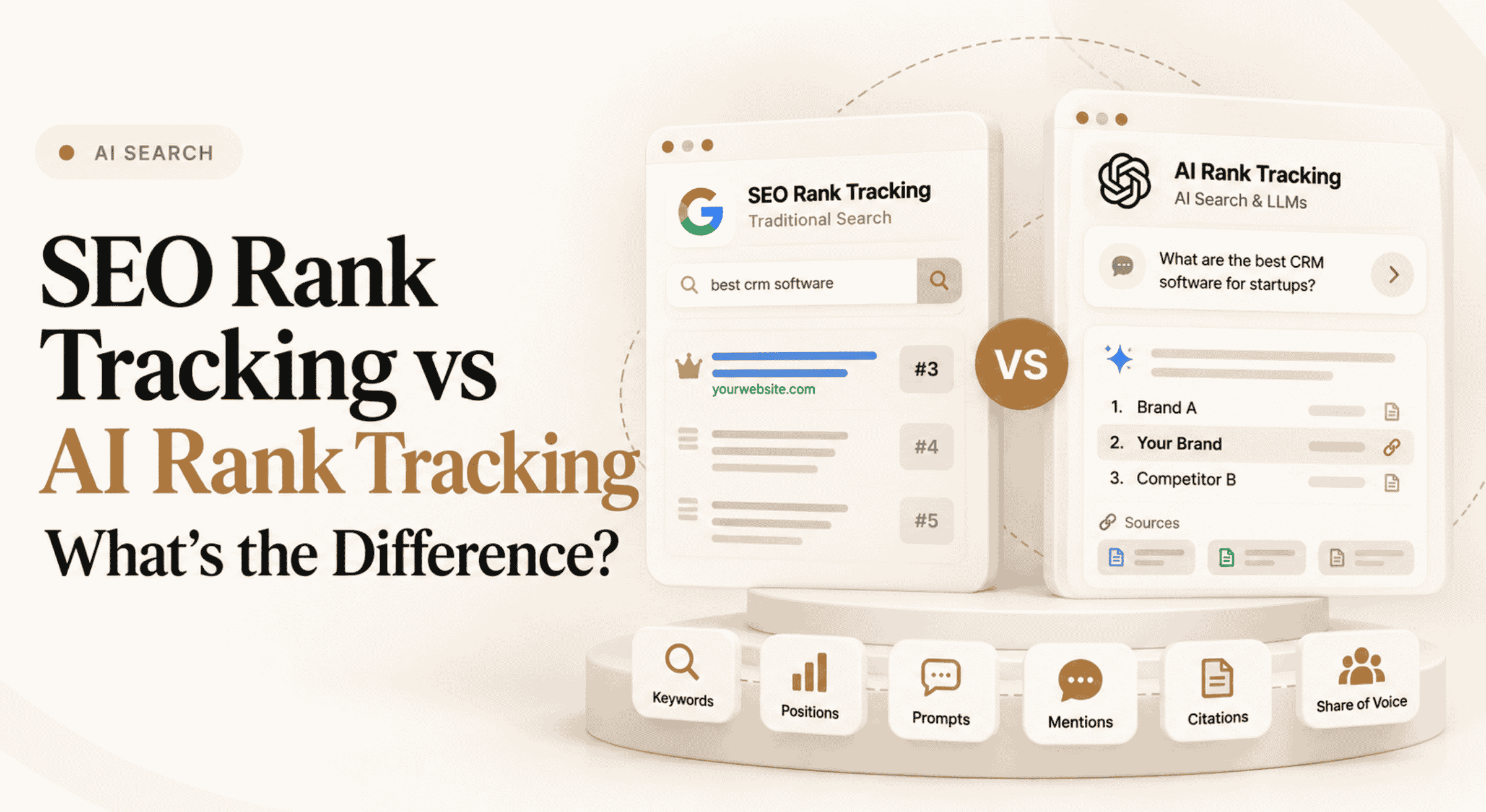
- Traditional SEO: Optimizes for rankings. GEO: Optimizes for mentions, citations, and recommendations.
- Traditional SEO: Focuses on keywords. GEO: Focuses on entities, topics, and intent.
- Traditional SEO: Measures clicks and traffic. GEO: Measures visibility, citations, sentiment, and Share of Voice.
- Traditional SEO: Improves SERP performance. GEO: Improves AI-generated answer presence.
The AI volume opportunity
Search demand around GEO, AI SEO, and AI visibility is becoming more competitive because marketers are trying to understand how discovery changes when answers replace links.
The opportunity is not only traffic. The larger opportunity is being included when AI systems explain a category, compare vendors, and recommend solutions.
For a platform like Ansvisor, this creates a clear content opportunity: own the practical, implementation-focused side of GEO instead of only describing the strategy at a high level.
How AI engines categorize marketing content
AI engines often group marketing content by intent and usefulness. They look for pages that clearly answer questions, explain concepts, compare options, and provide actionable steps.
For GEO content, that means your pages should clearly support:
- Definitions and category education
- Comparison and alternative research
- Best tool and best platform intent
- How-to implementation workflows
- Measurement and benchmarking use cases
This is why answer-centric structure matters. It helps AI systems classify your content and reuse it inside generated responses.
2. Technical Implementation: Architecting for LLM Visibility
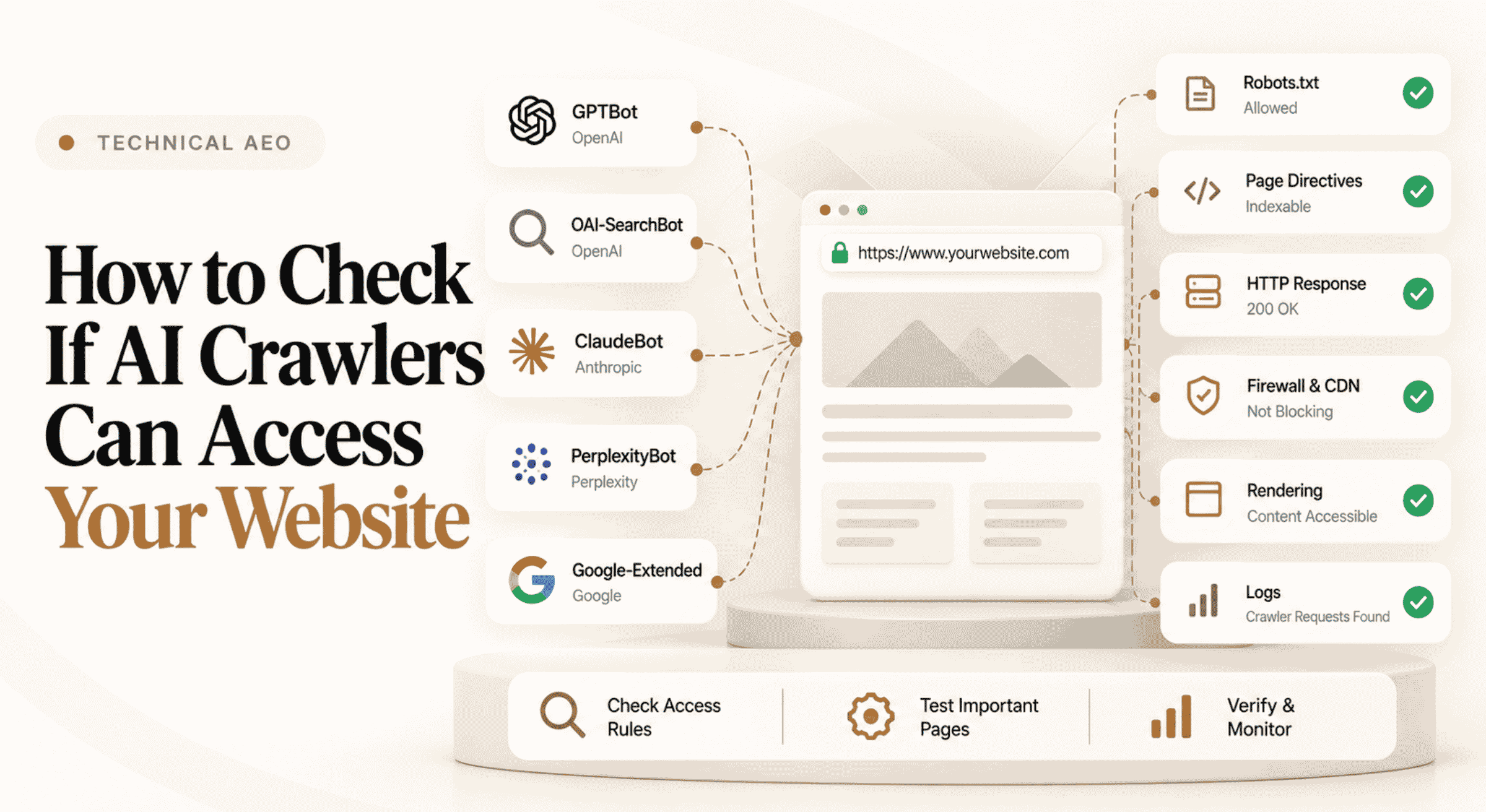
GEO is not only a content strategy. Technical implementation matters because AI systems need to crawl, parse, and understand your website efficiently.
Use advanced schema markup for better AI ingestion
Schema markup for AI gives machines more context about your organization, content, products, authors, and relationships between pages.
Useful structured data types include:
- Organization schema
- Article schema
- FAQ schema
- Breadcrumb schema
- Product schema
- DefinedTerm schema
For knowledge hubs, glossary pages, and educational resources, structured data for AI can help reinforce the meaning of each page and connect it to related topics.
Optimize site architecture for crawler efficiency
AI visibility depends partly on whether your important pages are easy to discover.
Strong GEO architecture includes:
- Clear internal linking between glossary, feature, comparison, and blog pages
- Fast-loading pages with clean HTML structure
- Descriptive headings that match user intent
- Consistent breadcrumbs and semantic hierarchy
- Topic clusters around AI visibility, AEO, GEO, citations, and analytics
Mirror the best and top intent structure
Many AI search prompts include best, top, comparison, alternative, and tool-related intent.
To support this structure, create pages and sections that answer questions such as:
- What is the best AI visibility platform?
- Which tools help with GEO?
- How do AI SEO tools compare?
- What should marketing teams measure in AI search?
- Which platform helps track citations across AI engines?
This structure helps AI engines understand where your brand fits in the category and when it should be considered relevant.
3. Content Strategy: Crafting Answer-Centric Resources
AI engines do not simply look for long content. They look for useful, clear, trustworthy information that can be summarized and reused.
Create citation-ready content blocks
Citation-ready content blocks are short, structured sections that AI systems can easily extract or reference.
Useful formats include:
- Clear definitions
- Short summaries
- Comparison lists
- Step-by-step workflows
- Checklists
- FAQ answers
These blocks support AI Citation Optimization because they make your content easier to reference in AI-generated answers.
Improve fact-density for trust and sentiment
Fact-density means giving AI systems enough specific, useful information to understand why your content should be trusted.
Strong fact-density may include:
- Specific platform names
- Clear use cases
- Measurable KPIs
- Implementation steps
- Product capabilities
- Comparison criteria
This is especially important for categories such as AI Content Optimization, where AI systems need to understand both the strategy and the practical workflow.
Target high-impact GEO and AI SEO keywords
Teams should prioritize keywords that connect category education with buying intent.
High-impact keyword clusters include:
- Generative Engine Optimization
- AI SEO
- AI Visibility Platform
- AI Visibility Analytics
- Answer Engine Optimization
- AI Citation Monitoring
- AI Search Analytics
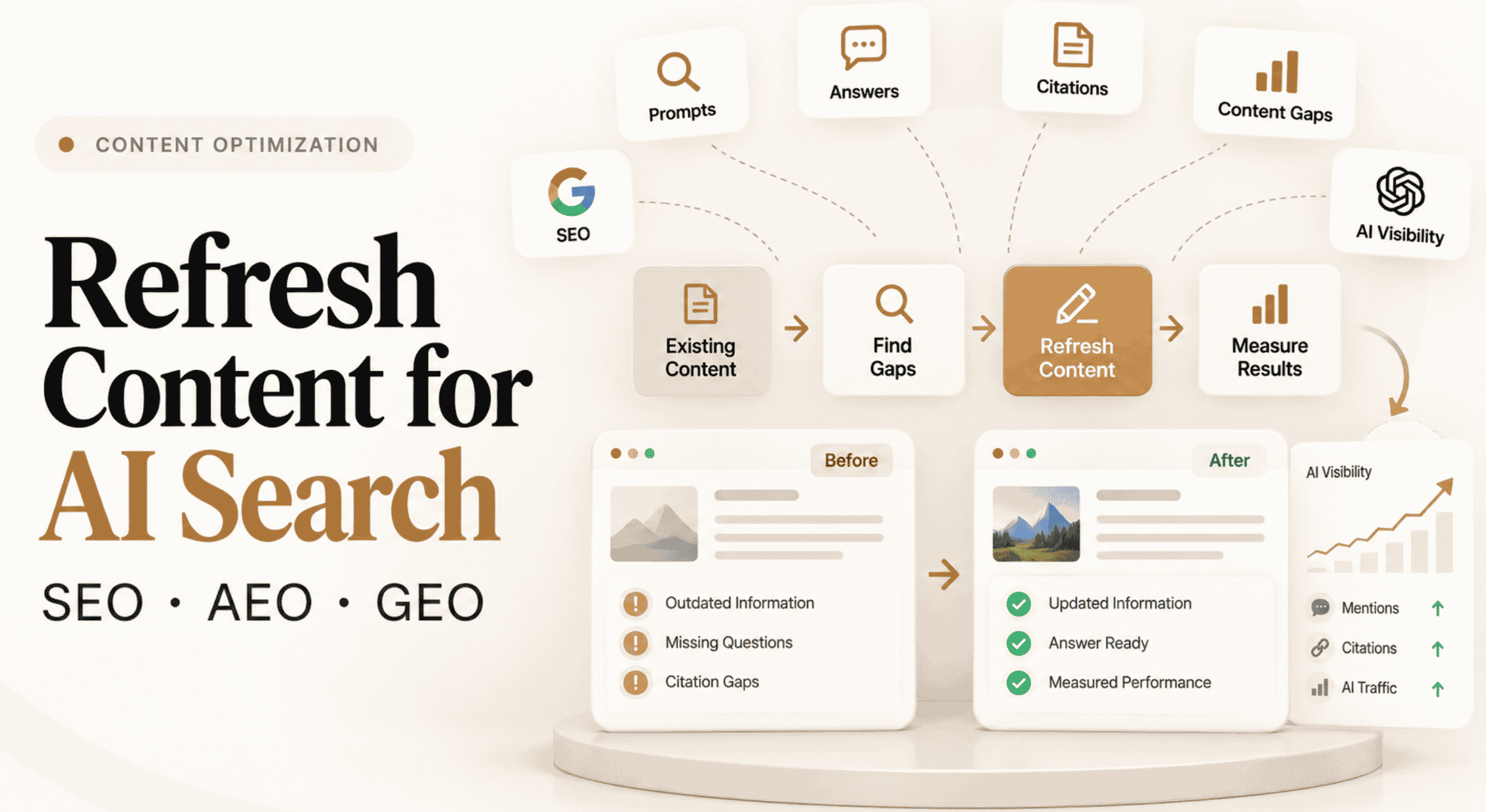
Ansvisor can support this workflow through Content Intelligence & Optimization, helping teams identify content opportunities and improve resources for AI search visibility.