


Entity Authority
FAQ
What is Entity Authority?

Entity Authority measures the trust, recognition, and influence that an entity has within AI systems and digital ecosystems.
Why does Entity Authority matter?
Strong entity authority increases the likelihood of being retrieved, cited, and recommended by AI systems.
What influences Entity Authority?
Important factors include source authority, citations, brand recognition, entity consistency, and topical expertise.
How can organizations improve Entity Authority?
Organizations can improve entity authority through structured data, authoritative content, trusted references, and consistent entity representation.
Which tools help analyze Entity Authority?
AI Visibility Platforms like Ansvisor help organizations analyze entity authority through citations, mentions, competitors, prompts, and answer engine visibility analytics.
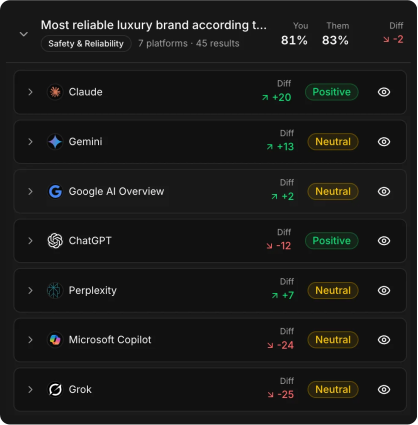
Win customers from all major AI platforms
Understand, measure, and optimize your AI visibility via Ansvisor.
✓ Add brand, domains and competitors
✓ Discover prompts and growth opportunities
✓ Track your AI visibility across major AI platforms
✓ Monitor citations, mentions, and competitors
✓ Measure AI traffic and customer discovery
✓ Receive AI recommendations based on AI insights
✓ Optimize authority, trust, and content quality
✓ Create content, automate analysis & action with AI agents




.svg)
