


E-E-A-T Signals
FAQ
What are E-E-A-T Signals?

E-E-A-T Signals are indicators that help AI systems evaluate experience, expertise, authority, and trustworthiness.
Why do E-E-A-T Signals matter?
Strong E-E-A-T signals increase the likelihood that AI systems will retrieve, cite, and recommend content.
Is there a single E-E-A-T score?
No. E-E-A-T is evaluated using many different quality and trust signals rather than one metric.
What are examples of E-E-A-T Signals?
Examples include author expertise, first-hand experience, citations, reputation, content accuracy, and industry recognition.
Which tools help analyze E-E-A-T Signals?
AI Visibility Tools like Ansvisor help organizations analyze authority, citations, competitors, trust signals, and content quality across AI-powered search platforms.
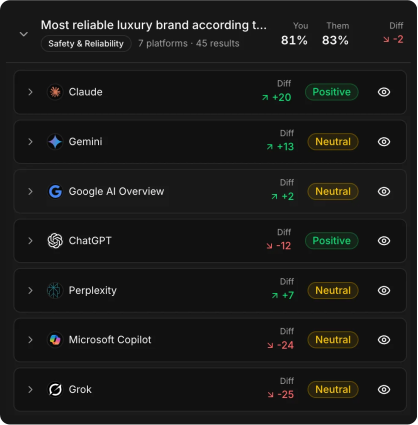
Win customers from all major AI platforms
Understand, measure, and optimize your AI visibility via Ansvisor.
✓ Add brand, domains and competitors
✓ Discover prompts and growth opportunities
✓ Track your AI visibility across major AI platforms
✓ Monitor citations, mentions, and competitors
✓ Measure AI traffic and customer discovery
✓ Receive AI recommendations based on AI insights
✓ Optimize authority, trust, and content quality
✓ Create content, automate analysis & action with AI agents




.svg)
